

Most people picture Arizona as a landscape of saguaro cactus and scorching summer heat. Flagstaff breaks that assumption completely. Perched at 7,000 feet in the Coconino National Forest at the base of the San Francisco Peaks, this city runs a full four seasons, honest winter snowfall, green summer afternoons, and an autumn color show that rivals New England. Knowing which version of Flagstaff to show up for makes a real difference in how your trip feels.
This guide breaks down every season by temperature, crowd level, outdoor conditions, and what you’ll actually be able to do. Whether you’re a first-time visitor trying to nail the timing or a returning traveler planning around a specific experience, here’s what to expect each month of the year in Flagstaff, Arizona.

Flagstaff’s aspen groves on the San Francisco Peaks turn gold from late September through mid-October, one of the most dramatic fall color displays in the Southwest.
Spring in Flagstaff (March, April, May)
The Shoulder Season Sweet Spot
March 1 – May 31Spring in Flagstaff starts slowly. March still carries a real chance of snow, and the mornings stay cold well into April. But by May the trails are opening up, wildflowers are pushing through along the lower elevation routes, and the crowds that define summer haven’t arrived yet. Temperatures range from around 25°F overnight in March to comfortable 60s during the day by late May.
This is one of the best times to hike without fighting for parking. The best spring hikes near Flagstaff open up progressively through the season, and you’ll have most of them nearly to yourself compared to July and August. If you’re planning around the trails specifically, mid-May through early June is the window before heat becomes a factor at lower elevations. For a full breakdown of what to expect weather-wise before you pack, the Flagstaff spring weather guide covers what changes each month.
- Fewer crowds than summer, better trail access and lower rental rates
- Wildflowers along lower-elevation routes from late April onward
- April and May are ideal for day trips to Sedona and the Verde Valley
- Bring layers; mornings and evenings can dip near freezing through April
Summer in Flagstaff (June, July, August)
Cool Escape From the Arizona Heat
June 1 – August 31Flagstaff in summer is the reason millions of Arizonans drive north every year. While Phoenix sits at 110°F, Flagstaff averages a comfortable 82°F in the afternoon with temperatures that drop into the 50s at night, perfect sleeping weather without air conditioning. This is peak season, and it shows. Restaurants fill up, rental inventory tightens, and popular trailheads see significant traffic by mid-morning.
June is the best summer month for dry conditions. Come late June, the North American monsoon begins building humidity, and by July you can expect afternoon and evening thunderstorms on most days. They pass quickly and usually drop temperatures, but hiking and outdoor plans should be scheduled for mornings. The ultimate Flagstaff summer itinerary is worth reviewing before your trip, it builds your days around how weather actually moves through the city. For first-time visitors dealing with the elevation, Flagstaff altitude tips will save you from spending day one horizontal on the couch.
- Afternoons average 79°F to 82°F, a 25 to 30-degree difference from Phoenix
- July and August bring afternoon monsoon storms, plan outdoor activities for mornings
- Peak demand for vacation rentals, book 8 to 12 weeks in advance
- Arizona Snowbowl runs its scenic gondola for summer mountain access
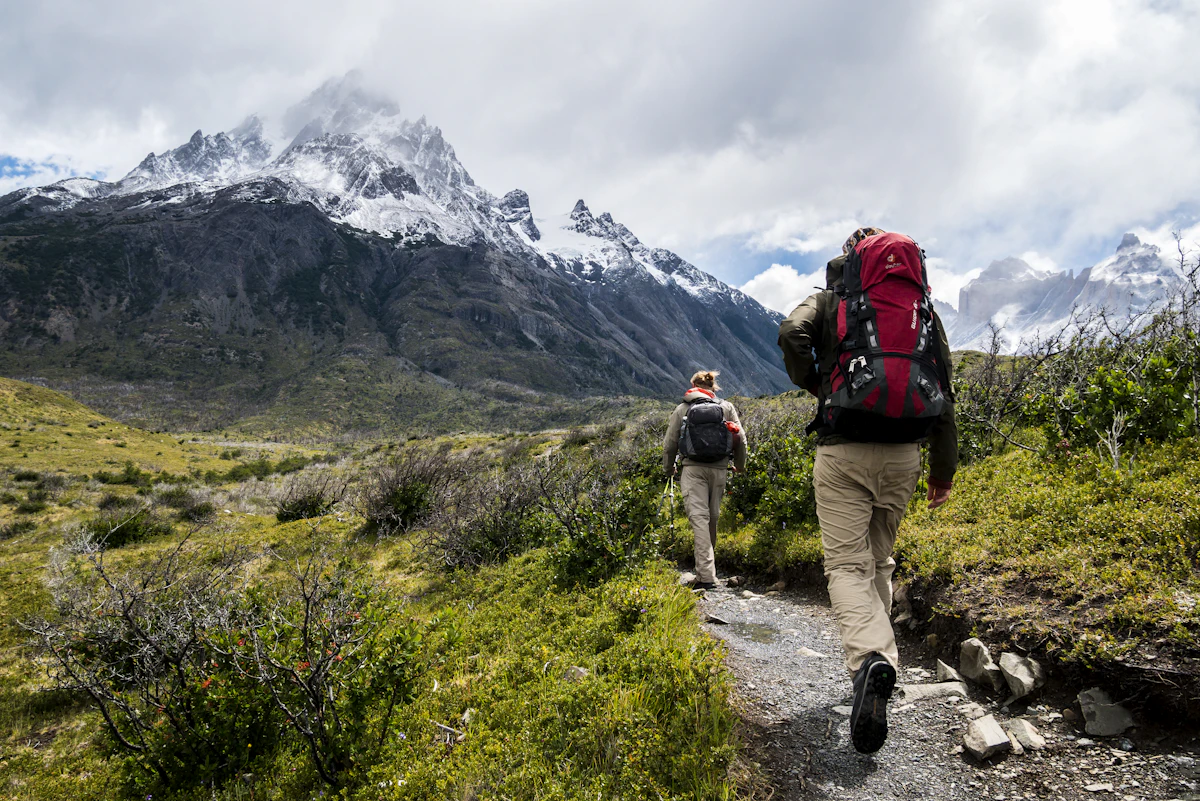
Summer mornings in Flagstaff offer cool, crisp hiking conditions before the afternoon monsoon storms build in from the south.
Fall in Flagstaff (September, October, November)
The Best Overall Season to Visit
September 1 – November 30If you’re asking which season to pick when all things are equal, the answer is fall specifically late September through mid-October. The monsoons end, the summer crowds leave, and Flagstaff’s aspen groves shift from green to gold across the slopes of the San Francisco Peaks. The color window is narrow, typically 3 to 4 weeks, and it draws visitors specifically for the display. Temperatures sit in the 60s during the day and drop into the 30s and 40s at night, ideal hiking and walking-around-downtown weather.
September still carries warmth from summer, making it a great bridge month: trails are uncrowded, weather is stable, and the aspens start turning at higher elevations by mid-September before the color works its way down the mountain in October. By November, Flagstaff has quieted considerably. It’s not yet full winter, but temperatures are cooling fast and the first snow typically arrives sometime in November. Walnut Canyon National Monument, just east of the city, is particularly worth visiting in fall when the crowds thin and the light is softer.
- Peak aspen color: late September to mid-October on the San Francisco Peaks
- Stable weather, low humidity, and virtually no afternoon storms
- Shoulder-season rates return in November as the summer crowd disappears
- Fall nights call for a fire pit and a hot tub, plan your rental accordingly
Aspen timing tip: Color peaks at higher elevations first. The trails off the Arizona Snowbowl road (FR 516) usually show peak color a week before lower spots like Hart Prairie. If you’re timing a trip around fall foliage, aim for the last week of September or first week of October and build in flexibility.
Winter in Flagstaff (December, January, February)
Arizona’s Real Winter Town
December 1 – February 28Flagstaff averages more than 100 inches of snow per year, more than Denver, more than Salt Lake City in some years. Winter here is real. Temperatures regularly drop into the teens overnight in January, and daytime highs in December and February hover in the low 40s. For travelers expecting the warm Arizona they know, this comes as a surprise. For travelers specifically seeking snow, it’s exactly right.
Arizona Snowbowl is the main draw: a full ski and snowboard resort on the slopes of Humphreys Peak, the highest point in Arizona at 12,637 feet. The mountain receives excellent snowfall and is far less crowded than comparable resorts in Colorado. Beyond skiing, winter Flagstaff is a quieter, more local version of the city. Restaurants have tables available, the streets are uncrowded, and staying in a property with a hot tub hits differently at 15°F outside. The complete guide to winter in Flagstaff covers road conditions, gear, and what to expect during the heaviest snow weeks. For holiday visitors, there’s also a strong lineup of Flagstaff holiday events that run through December. The National Weather Service Flagstaff office publishes real-time forecasts and road condition alerts, worth bookmarking before any winter trip.
- Arizona Snowbowl is open for skiing and snowboarding from late November through April
- January is the coldest month, overnight lows regularly hit the teens
- Lowest rental rates of the year outside of the ski and holiday weekends
- Clear winter nights make Flagstaff’s dark sky stargazing exceptional

Flagstaff averages more than 100 inches of snow per year, making it one of the snowiest cities in the continental United States and Arizona’s only true ski destination.
Flagstaff Temperature by Month
Flagstaff’s elevation drives temperatures that surprise most visitors. The table below reflects average daily highs and lows across the year, sourced from National Weather Service climate data for northern Arizona. Use this as your planning baseline, individual years vary, and higher elevation areas like the Snowbowl road run 5 to 10 degrees cooler than downtown readings.
| Month | Avg High | Avg Low | Conditions |
|---|---|---|---|
| January | 42°F | 16°F | Coldest month, heavy snow possible |
| February | 45°F | 19°F | Snow continues, ski season in full swing |
| March | 52°F | 25°F | Late snow, spring beginning at lower elevations |
| April | 60°F | 31°F | Warming days, cold nights, wildflowers emerging |
| May | 69°F | 38°F | Pleasant days, trails fully accessible |
| June | 79°F | 46°F | Dry, warm, excellent hiking conditions |
| JulyPeak | 82°F | 55°F | Warmest month, afternoon monsoon storms |
| AugustPeak | 79°F | 53°F | Monsoon continues, lush green landscape |
| September | 74°F | 47°F | Monsoon ends, stable weather, early aspens |
| OctoberPeak | 63°F | 36°F | Peak fall color, ideal conditions, lower crowds |
| November | 51°F | 25°F | First snow possible, very quiet season |
| December | 43°F | 18°F | Full winter, holiday events, ski season opens |
Is Flagstaff worth visiting?
Yes, and it’s worth visiting more than once, in different seasons. Flagstaff offers something genuinely different from the rest of Arizona: real altitude, real seasons, ponderosa pine forest, a walkable historic downtown, and easy access to some of the state’s best national monuments and parks. The city is also one of the few International Dark Sky Cities in the United States, making it a legitimate stargazing destination year-round.
What months does it snow in Flagstaff?
Snow is possible in Flagstaff from October through April, and measurable snowfall happens most years in every month of that range. The heaviest snow months are December, January, and February. At higher elevations like the Arizona Snowbowl and the San Francisco Peaks, snow can persist well into spring and occasionally falls as late as May or June.
When is the best time to see fall colors in Flagstaff?
The aspen groves on the San Francisco Peaks typically peak from late September through mid-October. Higher elevation areas like the Snowbowl road turn first, usually by the third week of September. Lower spots and Hart Prairie follow a week or two later. The window is narrow, plan for 3 to 4 weeks of color and check local reports close to your trip for exact timing.
Is Flagstaff cooler than the rest of Arizona?
Significantly cooler. At 7,000 feet elevation, Flagstaff sits roughly 25 to 30 degrees cooler than Phoenix on any given summer day. While Phoenix averages 106°F in July, Flagstaff averages 82°F. This temperature difference makes Flagstaff the preferred summer retreat for residents of the Phoenix metro area and the primary reason peak summer rental demand is as strong as it is.
How many days do you need in Flagstaff?
Three to four days is enough to experience Flagstaff’s highlights: the San Francisco Peaks, downtown, at least one national monument, and a day trip to either Sedona or the South Rim of the Grand Canyon. Visitors staying a full week tend to slow down, explore lesser-known trails, and spend evenings in the city’s restaurants and bars, which is a perfectly reasonable way to use the time.